The Millennial Conundrum
To be a millennial is to straddle the line of analog and digital.
We learned to read analog clocks, practicing on little handheld ones in first grade, and now we do not pay them much mind. We learned how to write in cursive, which is hardly used, and we are appalled that children in school these days neither learn to write or read it. We spent time playing outside until we were called in for dinner or we knew that it was time for our favorite television shows to start playing. There is a great deal of nostalgia associated with this generation even though we, as anybody should, learned along the way when it comes to the world being digital. Learning to read a digital clock... Honestly, it sounds more like something we just do rather than something we learned how to do, much like speaking our primary languages. There was telling time and using Arabic numerals, together giving us a digital clock. Then again, analog clocks also contain Arabic numerals! Also, yes, I know what a landline is and how to use it. However, the jury is still out on fax machines. It seems straightforward enough...
The cell phone: what was once seen as a cool gadget has become essential every day.
I can remember my very first cell phone: a red LG Shine. As a tween who was already passionate about taking pictures and documenting what happens before our eyes, it was so exciting not only to have my own cell phone, but to be able to take pictures and carry them with me anywhere and everywhere I went. As soon as cameraphones (when was the last time any of us used that word?!) came out, I knew that my cell phone, whenever I would receive one, would have to have it. While the primary purpose of a cell phone, or rather any phone, is to make and take calls, having a camera to use on my cell phone was an absolute dealbreaker. My digital camera, which was already exciting to have rather than dealing with film, had four megapixels and the LG Shine had two -- this was a great start!
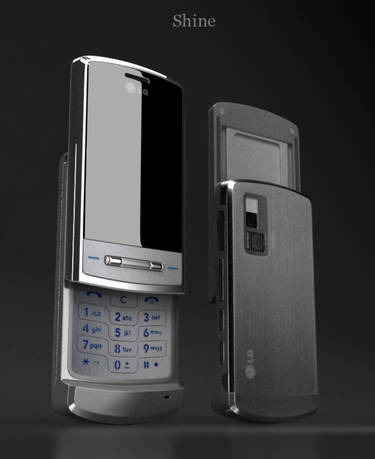 |
| Image source: Devian Art, found via Google, Creative Commons |
Every phone that I have had since then has been a cameraphone and it no longer became something to look for, but a given. My current cell phone, a three-year-old Android, has the same amount of megapixels in one camera as my Canon EOS Rebel T2i Digital Single Lens Reflex (DSLR), which is now over 10 years old. There are at least 12 megapixels for each camera lens, so I am convinced that despite having had this phone with these properties for over three years, I am still yet to explore the extent of its potential.
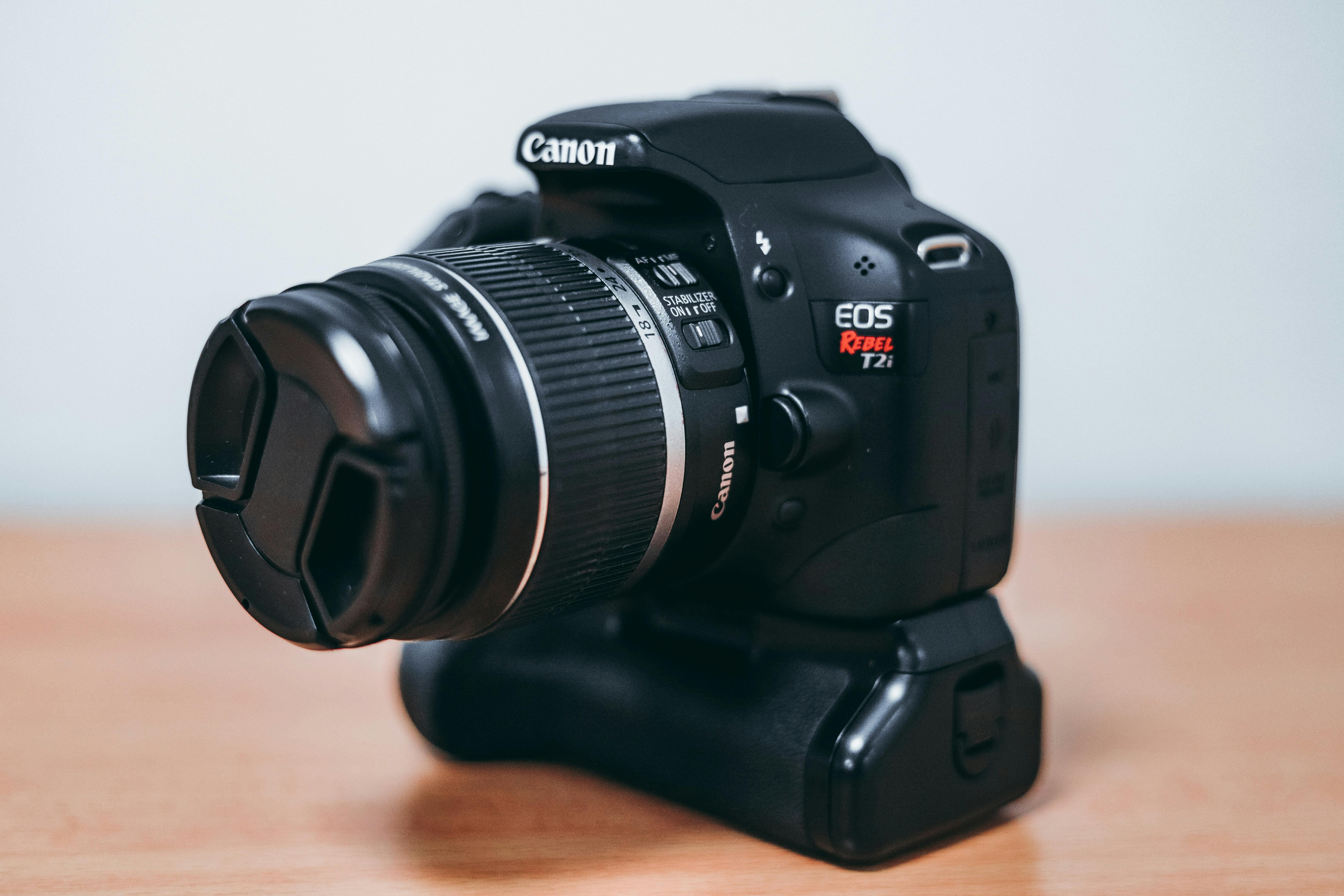 |
| Image source: Pexels, found via Google Creative Commons |
This camera would go where I go -- on vacation, a day at the beach, hanging out with friends in the park pretending to have a photoshoot, or any other unusual scenery. Nowadays, I acknowledge that it takes up more room when I travel and mainly pack it when I know I will need to zoom in (e.g. for hiking). While my cell phone could potentially zoom further, the clarity of digital zoom persists.

Upon further reflection, this really makes my once impressive DSLR camera seem sad, but growth requires us to change and add more (in some ways, at least). The very first Indy 500 race was held in 1911 with the winning car clocking in at a maximum speed of 73 miles per hour. One hundred years later, in 2011, the winning vehicle's top speed was somewhere over 100 that. We see this in sports as well with records being broken, especially in the spirit of the Olympic and Paralympic Games. It is not so much about being better than anybody as it is about breaking the sports' boundaries as we know them.
Thinking about this post itself, I hardly bother to say cellular phone or mobile device -- just "phone," and it is understood that I am talking about a smartphone (most likely) rather than a rotary phone or a car phone. The dependence is real, as much as I do not want to admit it. With this device, I have countless answers, documents payment methods and payment methods stored, texts without counting characters, hardly a need for mental math, and infinite possibilities. I can also make and receive telephone calls!
Which pieces of technology really matter, especially to the generations older than millennials?
My cell phone is a regular part of my life and I would feel awkward without it, admittedly, even a little helpless. When I notice the awkwardness, I simply feel silly for a moment and remember that it is not part of me. It is part of my life, but it is not part of me or how I define myself as a person.
My father, who is not a millennial, got his first cell phone at age 29 and, depending on who was leaving the house and when or why, shared it with my mother. He was also provided a pager by his employer. Pagers gave us a different meaning of "attached at the hip." An electrical engineer by trade, I am certain that he would have a great deal to say about impactful technology with a thorough explanation of his favorite digital product and its evolution.
The reality
We are where we are, all addicted to our cell phones to some degree, and riding the wave of constant change. It is considered cool, rustic, and trendy to be unplugged or go off the grid for a day or so. Weddings and their unplugged ceremonies, which some may ignore. Signs for wi-fi passwords tell us to pretend we are back in the 90s and talk to each other.

Comments
Post a Comment